
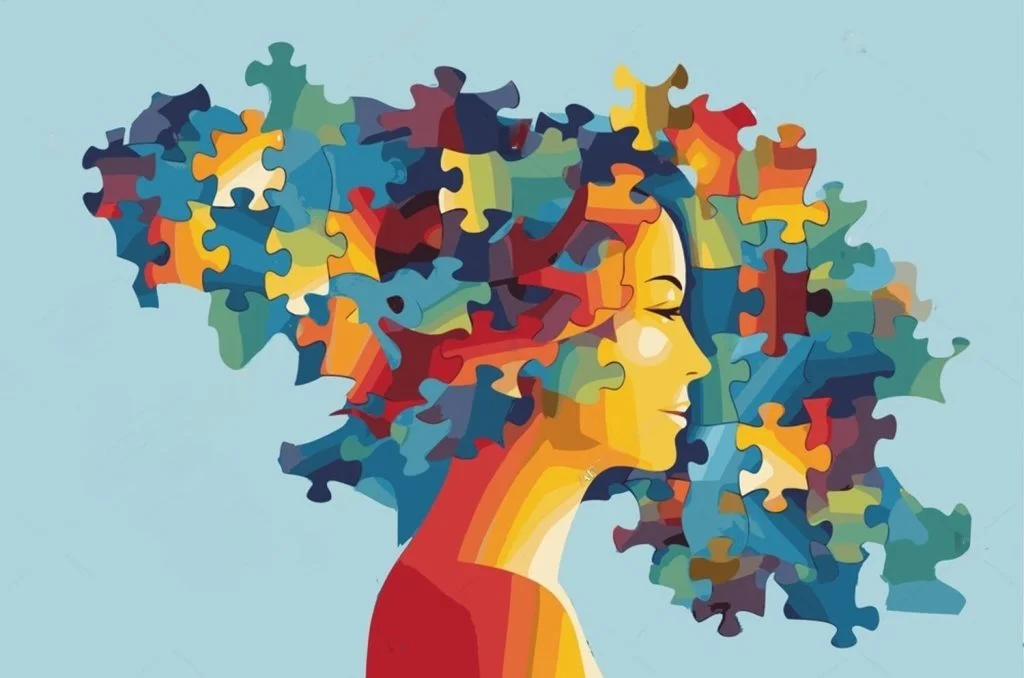
Autism Spectrum Disorder (ASD) is a neurological and developmental disorder that affects communication, interaction, learning, and behavior. According to the Diagnostic and Statistical Manual of Mental Disorders (DSM-5), people with ASD often exhibit:
- Difficulty with social communication and interaction: This may include making little or inconsistent eye contact, appearing not to listen when spoken to, having few or no friends, and difficulty sharing interests or emotions.
- Restricted interests and repetitive behaviors: People with ASD may have intense interests in specific topics, objects, or routines. They may also engage in repetitive behaviors such as hand-flapping, rocking, or lining up toys and may exhibit behaviours that are consistent with ADD and ADHD.
- Symptoms that affect functioning in various areas of life: ASD can impact a person’s ability to function in school, work, and other social situations.
- Autism is a spectrum disorder because symptoms can vary widely from person to person.
Understanding Autism as a Spectrum
Autism is not a single condition but a spectrum, meaning individuals can experience a wide range of abilities, sensitivities, and challenges. Some individuals may require significant support in daily life, while others may function independently but still experience social or sensory differences.
This variation is what makes autism complex. No two individuals present in exactly the same way, and support approaches must often be highly individualized.
The Role of the Brain and Nervous System
ASD is primarily linked to differences in how the brain develops and processes information. These differences can affect:
- Sensory processing (sound, light, touch)
- Communication pathways
- Emotional regulation
- Learning and attention
Many individuals with ASD experience heightened or reduced sensitivity to sensory input. For example, certain sounds may feel overwhelming, while other stimuli may go unnoticed.
This suggests that the nervous system plays a central role in how autism is experienced.
Possible Contributing Factors
The exact cause of Autism Spectrum Disorder is still not fully understood. Current research suggests that multiple factors may contribute, including:
- Genetic predisposition
- Differences in brain development
- Environmental influences
- Immune and inflammatory responses
- Early developmental factors
Rather than a single cause, ASD is likely the result of complex interactions between these systems.
Overlap with ADHD and Anxiety
Many individuals on the autism spectrum may also display traits associated with ADHD and anxiety. These can include:
- Difficulty focusing or maintaining attention
- Restlessness or hyperactivity
- Heightened stress responses
- Emotional sensitivity
This overlap further highlights the involvement of the nervous system and regulatory pathways.
Impact on Daily Life
ASD can influence many aspects of life, including:
- Social relationships
- Communication skills
- Education and learning styles
- Emotional wellbeing
However, many individuals with ASD also possess unique strengths, including strong focus, creativity, pattern recognition, and deep interest in specific subjects.
Where BioAcoustics Fits In
BioAcoustic ASD Research: We are researching the underlying factors that contribute to Autism Spectrum patterns and how frequency-based approaches may support the body’s regulatory systems.
Through voice analysis, we are able to identify patterns that may indicate:
- Nervous system imbalance
- Sensory processing stress
- Emotional regulation challenges
- Associated biochemical imbalances
How BioAcoustic Therapy May Support ASD
BioAcoustic therapy focuses on supporting the communication systems within the body rather than attempting to change the individual.
This approach may help:
- Support nervous system regulation
- Reduce sensory overload
- Improve emotional balance
- Support communication pathways
- Encourage relaxation and better sleep
In some cases, improvements in communication, attention, and emotional stability have been observed, particularly when the nervous system becomes more balanced.
This approach is highly individualized, as each person’s frequency patterns and needs are unique.
A Supportive Approach
Supporting individuals with ASD often involves a combination of approaches, including:
- Structured environments
- Sensory support
- Nutritional balance
- Emotional support
- Nervous system regulation
By focusing on the whole system, rather than a single symptom, it is possible to create a more supportive and balanced environment for development and wellbeing.
If you are interested in joining this valuable research, and please sign up and complete the intake process from the Therapy Page on this website.