
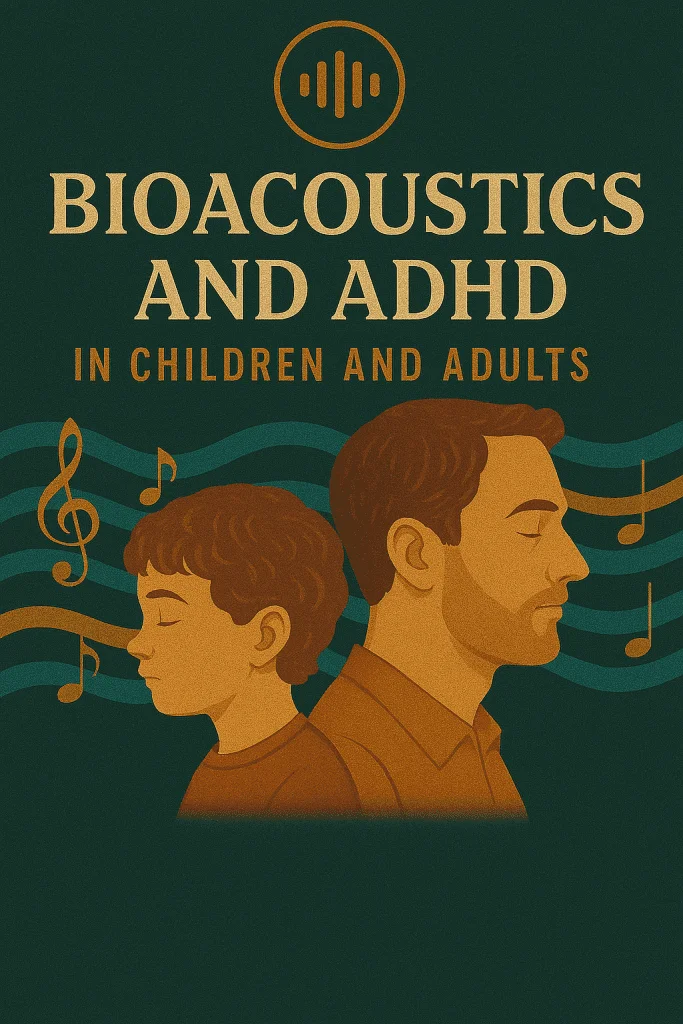
In the world of neuroscience and psychological health, Attention Deficit Hyperactivity Disorder (ADHD) stands as one of the most common neurodevelopmental disorders. Affecting both children and adults, ADHD is characterized by symptoms such as difficulty maintaining attention, hyperactivity, and impulsive behaviors. While various treatment options are available—ranging from medications to behavioral therapy—Human BioAcoustic therapy has emerged as a promising, non-invasive treatment approach. This article delves into the field of Human BioAcoustics, its potential benefits in managing ADHD, and the controversial idea of alleviating ADHD symptoms in just a week through BioAcoustic Sound Therapy.
What is Human BioAcoustics?
Human BioAcoustics is the study of sound production, transmission, and perception in humans. It explores how humans generate and interpret sound, including speech, vocalization, and auditory processing. This interdisciplinary field combines aspects of acoustics, physiology, neuroscience, and psychology to understand speech patterns, hearing mechanisms, voice disorders, and the effects of sound on human health and behavior.
The underlying principle of Human BioAcoustics lies in the understanding that the human body is highly responsive to auditory stimuli. When the right sound frequencies are introduced, they can stimulate the brain’s neural pathways, promote relaxation, reduce stress, enhance cognitive function, and allow the body to rebalance itself.
Our research has found that every muscle, compound, process and structure of the body has a Frequency Equivalent™ that can be mathematically calculated. This innovative discipline combines Vocal Profiling through voice spectral analysis and the use of low frequency analog sound presentation to assist the body to support optimal form and function.
What Is Vocal Profiling?

Vocal profiling is a method of analyzing voice frequencies to detect physiological and neurological imbalances. It is based on the idea that your voice reflects biometric markers related to health, including neurotransmitter levels, emotional state, and autonomic nervous system activity.
How the Vagus Nerve Connects to Vocal Profiling
The vagus nerve (cranial nerve X) is a key regulator of the autonomic nervous system (ANS), linking the brain, heart, gut, and vocal cords. It influences neurotransmitter activity, including dopamine, norepinephrine, and serotonin, which are critical for conditions like ADHD, anxiety, and depression.
- The vagus nerve innervates the larynx, affecting voice pitch, tone, and stability.
- Changes in voice patterns may indicate imbalances in neurotransmitter function.
- Measuring vocal biomarkers could help assess stress, cognitive function, and emotional regulation.
How Bioacoustic Therapy Uses Vocal Profiling & the Vagus Nerve
-
Vocal Frequency Analysis:
- Specialized software records and analyzes your voice frequencies.
- It identifies missing or excessive frequencies linked to neurological or metabolic imbalances.
- Specific patterns may indicate neurotransmitter imbalance in ADHD.
-
Bioacoustic Sound Therapy (BST):
- Once imbalances are detected, specific sound frequencies are generated.
- Low-frequency sounds (16–32Hz) can activate the vagus nerve.
-
Vagus Nerve Stimulation Through Sound:
- Low-frequency sounds stimulate vagal tone, improving focus and mood.
- Harmonic resonance techniques enhance autonomic balance.
-
Applications for ADHD & Neurological Disorders:
- May help regulate dopamine and norepinephrine
- Improve heart rate variability (HRV)
- Provide personalized treatment based on voice
Potential Benefits of Vocal Profiling & Bioacoustic Therapy
✅ Identifies neurotransmitter imbalances using non-invasive voice analysis.
✅ Stimulates vagus nerve function, improving emotional regulation & focus.
✅ Uses customized frequencies to enhance brainwave and nervous system function.
✅ Can be integrated with ADHD, anxiety, and cognitive therapy programs.
The Science Behind BioAcoustic Therapy
Human BioAcoustic therapy is based on the idea that the body produces and responds to specific sound frequencies. Practitioners believe that analysing a person’s voice can reveal imbalances in physical and emotional health. Based on this analysis, specific sound frequencies are generated and delivered through headphones or speakers to restore balance.
Applications:
- Pain Management
- Stress and Anxiety Reduction
- Sleep Improvement
- Muscle and Joint Healing
- Weight Loss
BioAcoustics and ADHD: A New Hope?

Attention Deficit Hyperactivity Disorder is commonly treated through medication and behavioral therapies. However, many individuals seek alternative treatments due to concerns about side effects or the desire for faster results. This is where Human BioAcoustic therapy may offer hope.
Research has shown that ADHD is closely linked to imbalances in brainwave activity. Individuals with ADHD often have excessive theta waves and insufficient beta waves, leading to inattention and lack of focus.
Human BioAcoustic therapy works by introducing sound frequencies that encourage the brain to shift into a more balanced state. This can result in improved concentration, reduced impulsivity, and better emotional regulation.
Through the use of Frequency Equivalents™, we are able to determine which brainwaves are out of balance and provide the brain and body with specific low frequency sound to support self-regulation.
Benefits of BioAcoustic Therapy for ADHD
1. Improved Focus and Attention
- Supports better concentration
- Helps regulate brainwave activity
2. Reduction in Hyperactivity and Impulsivity
- Promotes calm neural activity
- Supports self-regulation
3. Enhanced Sleep Quality
- Improves sleep patterns
- Encourages deeper rest cycles
4. Anxiety and Stress Reduction
- Promotes emotional stability
- Reduces stress responses
5. Better Emotional Regulation
- Supports neurotransmitter balance
- Reduces emotional outbursts
6. Support for Cognitive Processing
- Enhances memory and processing
- Supports executive function
7. Non-Invasive and Drug-Free Approach
- Natural alternative to medication
- No significant side effects
Can BioAcoustic Therapy Work in a Week?
The idea that BioAcoustic therapy can impact ADHD symptoms within a week may seem ambitious, but many individuals report noticeable changes after just a few sessions.
- Fast-Acting Results: The brain is adaptable and can respond quickly to sound-based input.
- Non-Invasive Nature: No medication or side effects.
- Personalized Approach: Tailored frequencies for each individual.
- Complementary Treatment: Works well alongside other therapies.
The Role of Sound in ADHD
Sound has long been used in therapeutic settings. Targeted frequencies can help regulate brain activity and support focus and calmness in ADHD individuals.
Conclusion: A Transformational Treatment
BioAcoustic therapy presents a promising option for managing ADHD, particularly for those seeking a natural alternative. While not a cure, it offers meaningful symptom support and improved quality of life.
By leveraging sound frequencies to influence brainwave activity, individuals may regain better control over attention, behavior, and emotional regulation.
BioAcoustic ADHD Research :
We have successfully been able to resolve ADHD in children and adults in just one session of providing sound frequencies that rebalance the brain.
If you are interested in joining this valuable research, and please sign up and complete the intake process from the Therapy Page on this website.

