
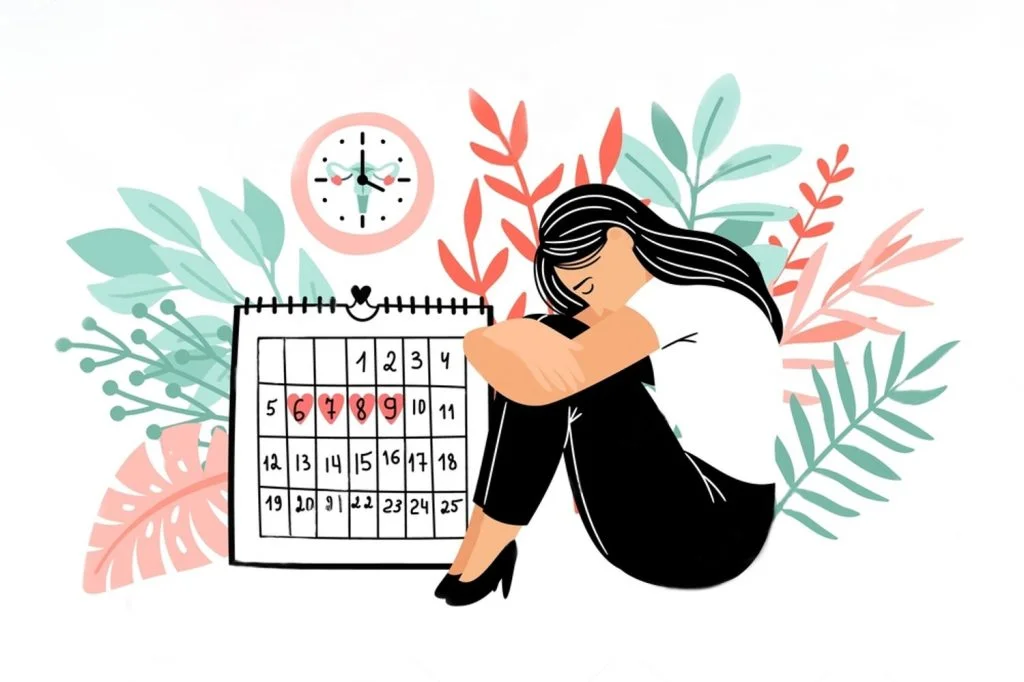
Endometriosis is a disorder in which tissue similar to the lining of the uterus grows outside the uterus. It can cause severe pain in the pelvis and make it harder to get pregnant.
Understanding Endometriosis
Endometriosis is a complex condition that affects millions of women worldwide. The tissue that normally lines the inside of the uterus (the endometrium) begins to grow in areas where it should not be, such as the ovaries, fallopian tubes, and surrounding pelvic structures.
Unlike normal uterine tissue, which is shed during menstruation, this misplaced tissue has no way to exit the body. As a result, it can become trapped, leading to inflammation, irritation, and the formation of scar tissue (adhesions).
This process can disrupt normal reproductive function, cause chronic pain, and contribute to hormonal imbalance.
Symptoms of Endometriosis
Endometriosis often presents with various symptoms, including:
- Severe pain in the pelvis, especially during menstrual periods.
- Pain during or after sex.
- Pain when urinating or defecating.
- Chronic pelvic pain.
- Heavy bleeding during periods or between periods.
- Trouble getting pregnant.
- Bloating or nausea.
- Fatigue.
- Depression or anxiety.
These symptoms can vary widely between individuals, and in some cases, the severity of symptoms does not always correlate with the extent of the condition.
Why Endometriosis Occurs
The exact cause of endometriosis is still not fully understood, but several contributing factors have been identified:
- Hormonal imbalance: Estrogen dominance can stimulate the growth of endometrial-like tissue.
- Immune system dysfunction: The body may fail to identify and eliminate misplaced tissue.
- Inflammation: Chronic inflammation can worsen symptoms and promote tissue growth.
- Genetic predisposition: A family history increases the likelihood of developing the condition.
- Retrograde menstruation: Menstrual blood flowing backward into the pelvic cavity.
Rather than being caused by a single factor, endometriosis is often the result of multiple systems becoming dysregulated at the same time.
The Role of Hormones and the Nervous System
Hormonal balance plays a central role in endometriosis. Estrogen promotes tissue growth, while progesterone helps regulate it. When this balance is disrupted, abnormal tissue growth can occur.
The nervous system is also heavily involved. Chronic pain conditions such as endometriosis are often linked to heightened sensitivity within the nervous system.
This can lead to:
- Increased pain perception
- Heightened stress response
- Sleep disturbances
- Emotional strain
Over time, this creates a cycle where pain, stress, and hormonal imbalance reinforce each other.
Impact on Daily Life
Endometriosis can significantly affect quality of life. Beyond physical pain, it can impact:
- Work and daily functioning
- Relationships
- Mental health
- Fertility
Many women experience delays in diagnosis, which can prolong discomfort and uncertainty.
Where BioAcoustics Fits In
BioAcoustic Endrometriosis Research : We are researching the cause of this disorder and have found that certain frequencies are able to rebalance the body’s hormones so that this does not occur in the female cycle.
Through voice analysis, we are able to identify patterns that may indicate hormonal imbalance, inflammation, and nervous system stress.
How BioAcoustic Therapy Can Support Endometriosis
BioAcoustic therapy focuses on supporting the regulatory systems within the body rather than targeting symptoms alone.
This approach may help:
- Support hormonal balance, particularly estrogen and progesterone regulation
- Reduce stress patterns that contribute to inflammation
- Improve nervous system regulation and pain response
- Support sleep and recovery processes
By working with the body’s natural communication systems, this approach aims to support a more balanced internal environment.
This is particularly beneficial for individuals who:
- Experience ongoing symptoms despite treatment
- Are sensitive to medication
- Want a complementary approach to support their health
A More Complete Approach
Managing endometriosis often requires a multi-layered approach that includes:
- Hormonal awareness
- Anti-inflammatory nutrition
- Stress management
- Sleep support
- Internal system regulation
By addressing these factors together, the body is better able to maintain balance and reduce symptom severity over time.
If you are interested in joining this valuable research, and please sign up and complete the intake process from the Therapy Page on this website.
Authoritative References Used: iask.ai