

Understanding Menopause – A Natural Transition in a Woman’s Life
Menopause marks one of the most significant biological transitions in a woman’s life. It is the natural cessation of menstrual cycles, officially diagnosed after twelve consecutive months without a period. For most women, menopause occurs between the ages of 45 and 55, though it can begin earlier or later due to genetics, health conditions, or medical interventions.
This phase, while often accompanied by physical and emotional challenges, is not a disease or disorder. Rather, it is a profound transformation—a shift that signals the end of reproductive capability and the beginning of a new stage in life.
The Stages of Menopause
Menopause is not a single event, but a process that unfolds in stages:
- Perimenopause: This transitional phase can begin several years before menopause, often in a woman’s 40s. During perimenopause, the ovaries gradually produce less estrogen, leading to irregular periods and the onset of symptoms like hot flashes, night sweats, mood changes, and sleep disturbances.
- Menopause: This is officially reached when a woman has gone twelve months without menstruating. At this point, the ovaries have significantly reduced estrogen and progesterone production.
- Postmenopause: The years following menopause. Although many symptoms subside, changes in hormone levels continue to influence health and wellness, including bone density, cardiovascular function, and metabolism.
Common Symptoms and Their Impact
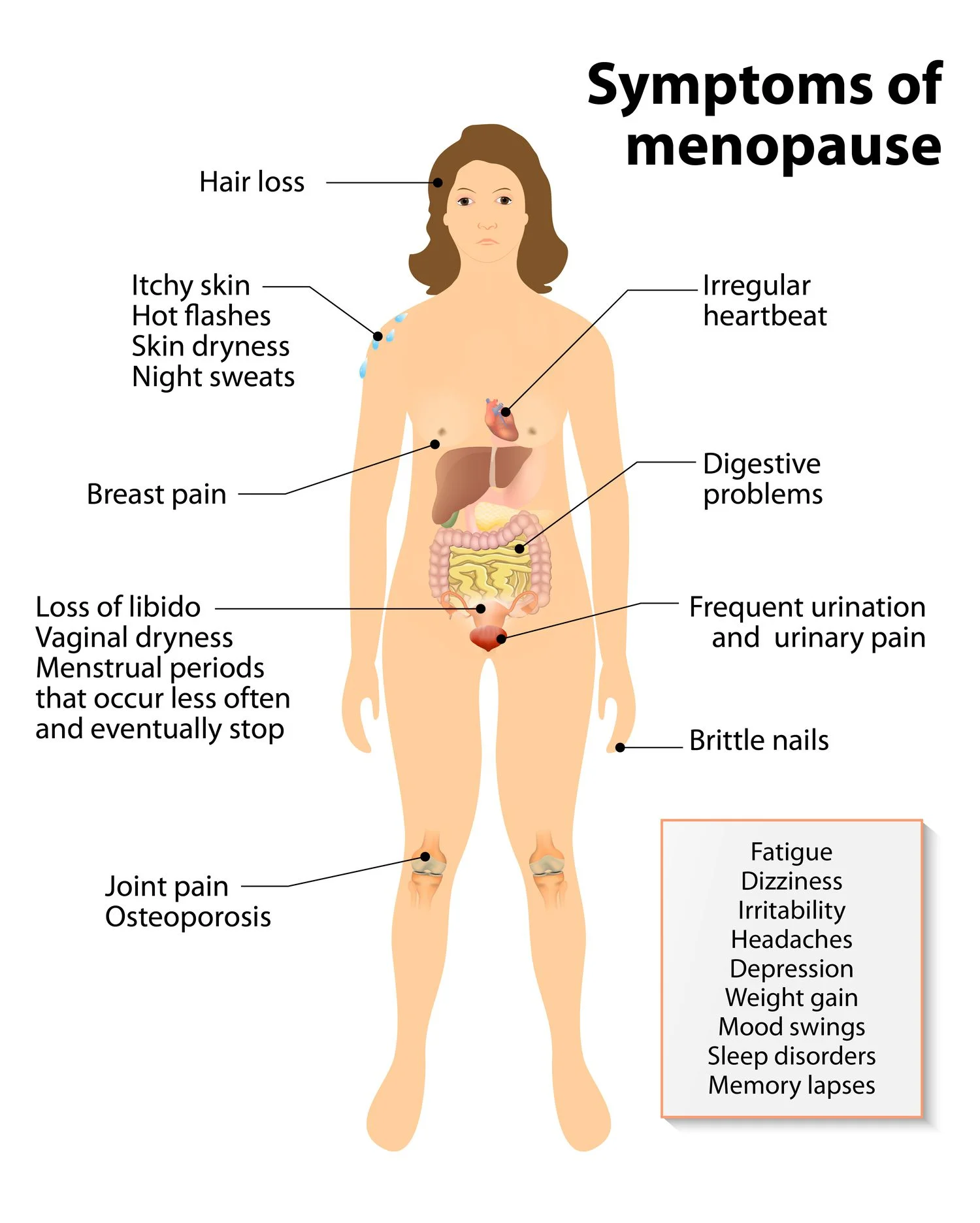
Each woman’s experience of menopause is unique. Some may pass through it with little discomfort, while others face significant physical and emotional hurdles. Common symptoms include:
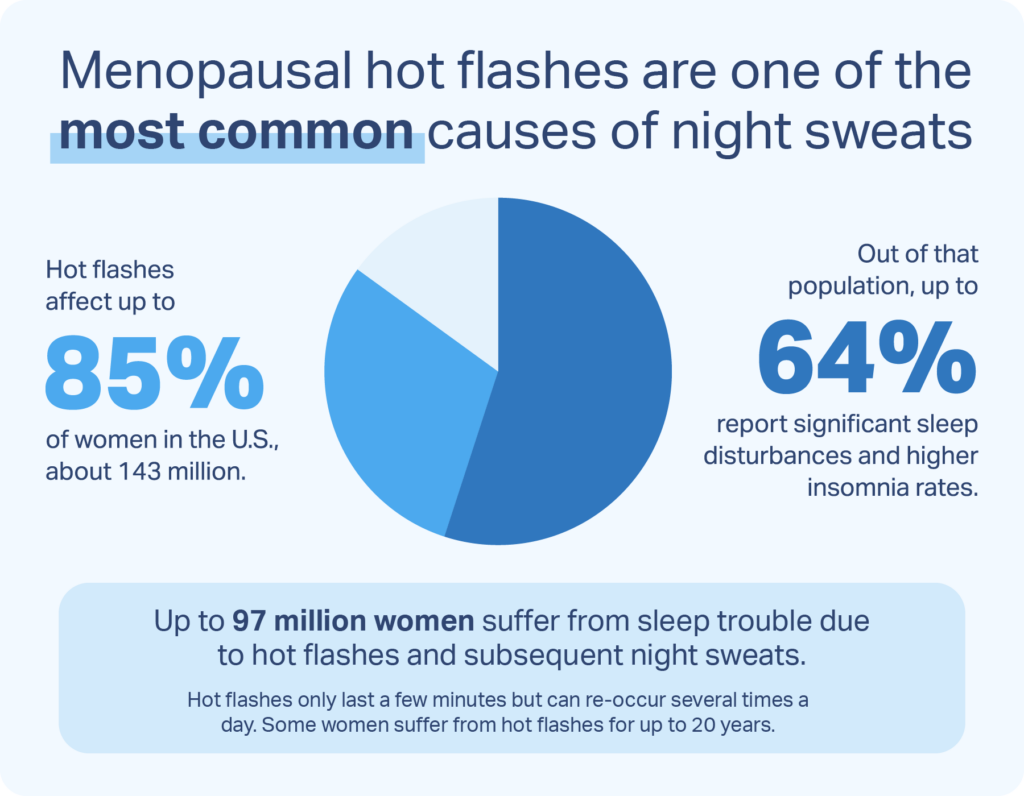
- Hot Flashes and Night Sweats: Sudden feelings of warmth that may cause sweating and flushed skin.
- Mood Swings and Anxiety: Hormonal fluctuations can influence neurotransmitters.
- Sleep Disturbances: Insomnia or disrupted sleep patterns.
- Vaginal Dryness and Libido Changes
- Cognitive Changes: “Brain fog” and memory issues.
Embracing the Change
Menopause is not simply an ending—it is also a beginning. Many women describe a sense of empowerment and freedom in the postmenopausal years.
Lifestyle adjustments can significantly ease the transition. A balanced diet, regular exercise, mindfulness practices, and strong social support can help mitigate symptoms.
The Thyroid in Menopausal Women
If you are experiencing menopause you will probably know the discomfort of heat flashes or night sweats. The link between thyroid and menopause is significant as both conditions share similar symptoms and can influence each other.
Hypothyroidism, or underactive thyroid, is more common in women, especially during menopausal age. The decrease in estrogen levels during menopause can affect thyroid function, leading to overlapping symptoms such as fatigue, mood swings, and weight changes.
Understanding the relationship between thyroid health and menopause is essential for managing symptoms and potential complications associated with both conditions.
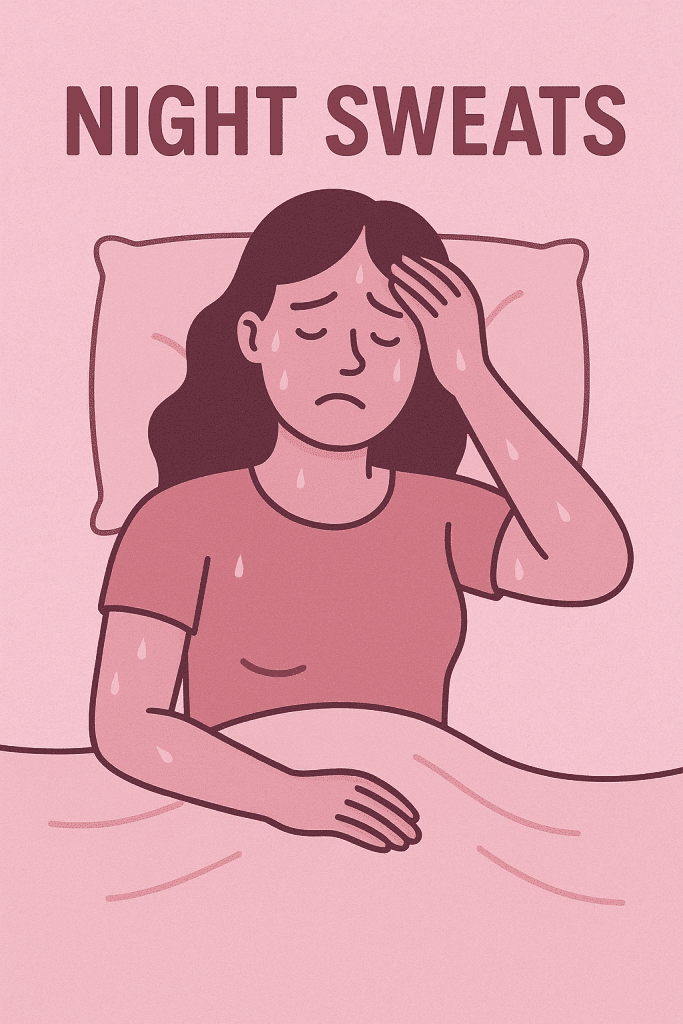
What are night sweats and what causes them?
Night sweats are episodes of intense sweating that can soak through your clothes and bedding, disturbing your sleep.
There are several causes of night sweats, including:
- Hormonal changes: Affect hypothalamus temperature control
- Medications: Antidepressants, hormones, steroids
- Underlying conditions: Infection, endocrine issues, neurological disorders
- Hyperhidrosis: Excess sweating without clear cause
Natural Approaches
- Hormonal support: phytoestrogens, herbs
- Thyroid regulation: iodine, selenium
- Adrenal support: adaptogens, stress reduction
- Blood sugar balance: stable meals
Medical Options
- HRT
- Thyroid medication
- Testosterone therapy
- Insulin management
- Sleep aids
How Bioacoustic Therapy Can Help with Night Sweats
What Is Bioacoustic Therapy?
Bioacoustic therapy involves using the body’s own voice frequencies or sound-based interventions to assess and influence health.
1. Regulating the Autonomic Nervous System
- Promotes parasympathetic activity
- Reduces cortisol spikes
- Improves sleep quality
2. Stabilizing Thermoregulation Centers
- Supports hypothalamus balance
- Reduces hot flash intensity
3. Balancing Hormonal Output
- Estrogen, progesterone, thyroid
- Supports glandular function
4. Improving Sleep Cycles
- Supports melatonin balance
- Reduces night waking
Important Notes
- Non-invasive therapy
- Works alongside medical care
- Based on voiceprint analysis
BioAcoustic Menopause Research : We have successfully been able to assess the root cause of the night sweats or hormonal imbalances and to re-balance these hormone levels and the thyroid functioning with sound presentation, to completely remove night sweats and other hormonal symptoms associated with Menopause.