


The Key Energy Enhancement Isn’t Sugar and Stimulants, its optimizing your Mitochondria.
What is the main function of mitochondria?
Mitochondria are the power system of our cells. They are the absolutely most critical physiological system involved in our energy levels. If you are feeling fatigued, that is most certainly a sure sign that your Mitochondria are not functioning well.
The main function of mitochondria is to generate the energy necessary to power cells. They produce the majority of our adenosine triphosphate (ATP), which serves as the energy currency of the cell. This energy production occurs through a process called oxidative phosphorylation, in which chemical energy from food is converted into an energy form that the cell can use.
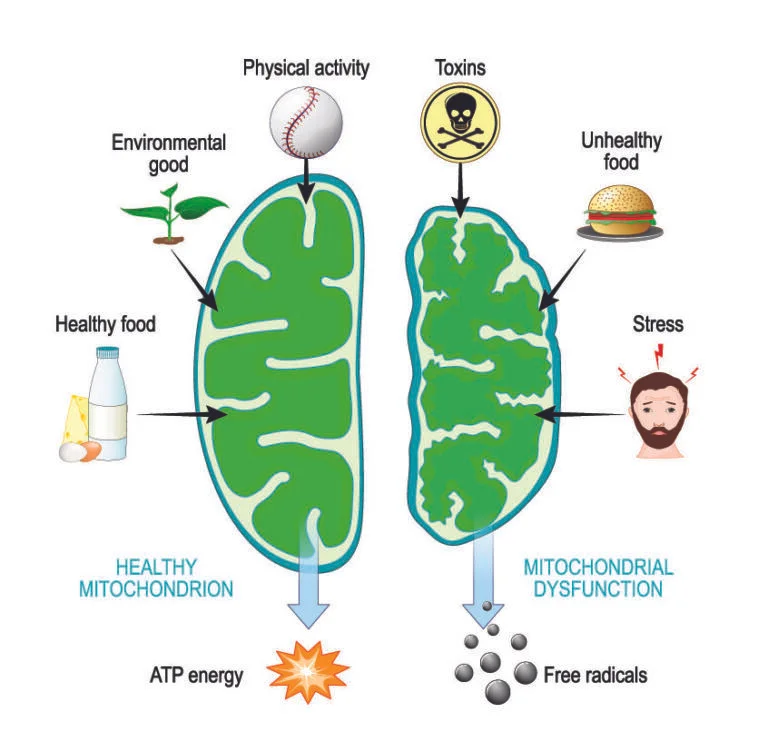
Mitochondria are responsible for a variety of crucial functions within cells, including:
- Producing energy from the food we eat.
- Powering the cell’s production of the molecules we need to live.
- Deciding when the cell dies.
- Regulating aging.
- Playing substantial roles in many common disorders.
Depending on which cells within the body have disrupted mitochondria, different symptoms may occur.
Mitochondrial disease can cause a vast array of health concerns, including fatigue, weakness, metabolic strokes, seizures, cardiomyopathy, arrhythmias, developmental or cognitive disabilities, Thyroid functioning, immune system, gut bacteria, Hormones, diabetes mellitus, impairment of hearing, vision, growth, liver, gastrointestinal, or kidney function, and more. These symptoms can present at any age from birth to adulthood.
Why Mitochondria Matter for Energy
True energy is not created by stimulants such as caffeine or sugar. These provide short-term spikes but do not address the underlying cellular processes that generate sustained energy.
Energy is created at the cellular level, and when mitochondrial function declines, the entire body begins to feel the effects—physically, mentally, and emotionally.
What you can do to support healthy Mitochondria functioning:
Consuming a diet rich in antioxidants
Support your mitochondria by consuming a diet rich in antioxidants to combat oxidative stress and cellular damage caused by external factors such as pollution, stress, and chemicals in the environment. Include colorful vegetables, some fruits, herbs, spices, and other whole foods that supply essential nutrients.
Eat plenty of protein
Consume plenty of protein-rich foods such as organic meat, fish, nuts, seeds, beans/lentils, and eggs to support amino acids like glutathione which protect the mitochondria.
Incorporate specific antioxidants
Incorporate two special antioxidants – alpha-lipoic acid and Coenzyme Q10 – to support mitochondrial health. These antioxidants help with energy production, protect the mitochondria, and support mitochondrial biogenesis.
Maintain optimal magnesium levels
Maintain optimal magnesium levels by taking supplements and consuming magnesium-rich foods like dark green vegetables, meat, and nuts. Magnesium is essential for maintaining mitochondrial health and optimizing energy production.
Include core nutrients in your diet
Incorporate Vitamin C, Vitamin E, B vitamins, zinc, iron, selenium, and other antioxidants in your diet by eating vegetables, nuts, seeds, beans/lentils, dairy products, fish, and meat to support your mitochondria.
Consuming healthy fats
Consume healthy fats found in oily fish, avocados, coconut oil, olive oil, flaxseed oil to support the mitochondria’s energy production and provide anti-inflammatory support.
Detoxify your body
Detoxify your body to improve mitochondrial health by reducing exposure to harmful substances while increasing the intake of detoxifying foods such as cruciferous vegetables, citrus fruits, garlic, and green tea. Ensure adequate hydration throughout the day.
Manage your stress levels
Manage stress levels through techniques such as meditation or yoga to minimize oxidative stress caused by psychological stressors which can negatively impact mitochondrial health.
Where BioAcoustics Fits In
BioAcoustic Mitochonria Research : Through our research we are now able to assess for Mitochonrial functioning and provide the body with sound presentation to help repair and strenghen the Mitochondria in the body.
By identifying stress patterns and imbalances through voice analysis, we can support the systems responsible for energy production, allowing the body to return to a more efficient state of function.
We can also support the body with the necessary anti-oxidents and nutritents to support optimal functioning.
A More Complete Approach to Energy
Energy is not simply about what you consume—it is about how your body produces and manages that energy at a cellular level.
Supporting mitochondrial health requires a combination of:
- Nutrition
- Stress regulation
- Detoxification
- Sleep
- Internal balance
When these systems are supported together, energy becomes more stable, sustainable, and natural.
If you are interested in joining this valuable research, and please sign up and complete the intake process from the Therapy Page on this website.
Authoritative References Used: iask.ai, theenergyblueprint.com, dynamiclifehealthcenter.com