

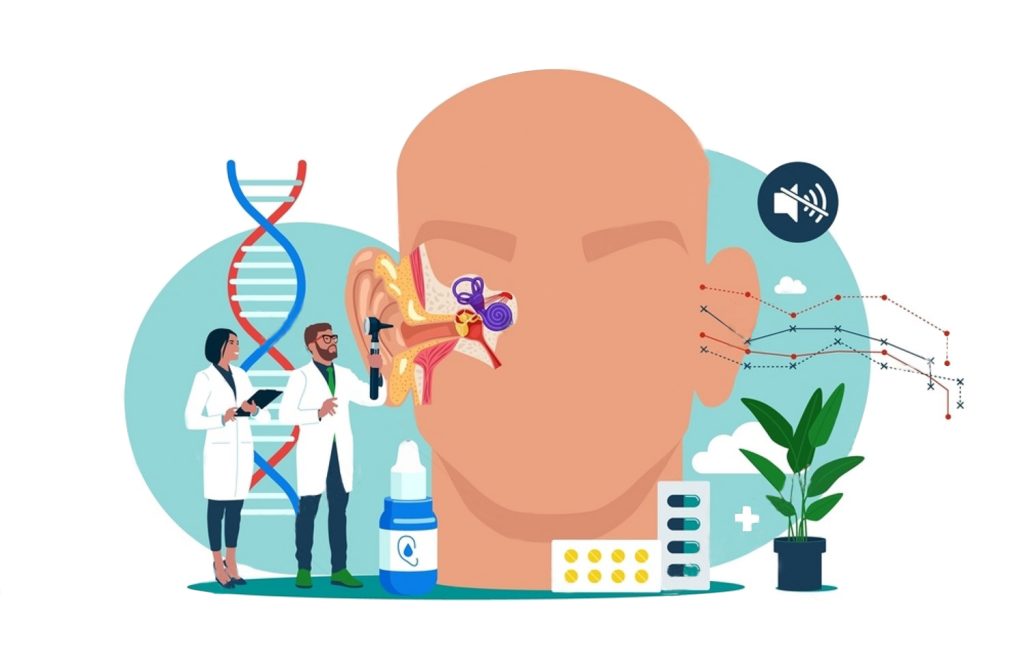
What is tinnitus?
Tinnitus is the perception of sound that does not have an external source, meaning others cannot hear it. It is commonly described as a ringing sound but can also be perceived as roaring or buzzing. Tinnitus affects 10 to 25% of adults and can also occur in children. When tinnitus lasts for three months or longer, it is considered chronic.
For many individuals, tinnitus is not just an occasional annoyance—it can become a persistent and disruptive condition that affects concentration, sleep, and emotional wellbeing.
What are the symptoms of tinnitus?
Symptoms of tinnitus include hearing phantom sounds like ringing, buzzing, roaring, whistling, humming, clicking, hissing, or squealing. The sound can vary in intensity, pitch, and duration.
Some cases may involve somatosensory tinnitus where movements or touch affect the perceived sound. Tinnitus can be subjective (only heard by the individual) or objective (audible to others).
Additional experiences reported by individuals include:
- Fluctuating sound intensity throughout the day
- Worsening symptoms during stress or fatigue
- Increased awareness in quiet environments
- Difficulty sleeping due to persistent noise
What creates the perception of noise in the ears?
The perception of noise in tinnitus is believed to result from changes in nerve signals due to inner ear damage affecting how the brain processes sound.
When auditory input is reduced or altered, the brain may attempt to “fill in the gaps” by generating its own signal. This can result in the perception of sound even when no external sound is present.
Abnormal interactions between the auditory cortex and other neural circuits may also contribute to tinnitus.
This means tinnitus is not only an ear-related condition, but also a neurological and sensory processing issue.
What causes tinnitus?
Tinnitus can be caused by various factors including noise exposure, hearing loss, medications, earwax or infections, head/neck injuries, Ménière’s disease, jaw joint problems, tumor-related disorders, blood vessel issues, and chronic conditions like diabetes or autoimmune disorders, allergies and diet.
Additional contributing factors may include:
- Chronic stress and nervous system overload
- Poor circulation
- Hormonal imbalances
- Nutrient deficiencies
- Sleep disruption
Because tinnitus has so many potential causes, it is often difficult to identify a single source. In many cases, it is the result of multiple systems interacting.
The Role of the Nervous System
The nervous system plays a major role in how tinnitus is experienced.
When the body is in a heightened stress state, the brain becomes more sensitive to internal signals, including sound perception.
This can lead to:
- Increased awareness of tinnitus
- Amplification of perceived sound
- Difficulty filtering background noise
- Heightened emotional response to symptoms
This creates a cycle where stress increases tinnitus, and tinnitus increases stress.
Why Tinnitus Can Be Difficult to Treat
Tinnitus is not a single condition—it is a symptom that can arise from many different underlying causes.
This is why traditional approaches may not always provide consistent results. What works for one person may not work for another, depending on the root cause of their condition.
Understanding the individual nature of tinnitus is key to finding effective support.
Where BioAcoustics Fits In
BioAcoustic Tinnitus Research:
Research into this condition is complex due to the mutitidude of possible factors that relate to it. Since 2020 we have found that many more people seemed to have developed Tinnitus whether they chose to take the Covid Vaccine or not.
We have also found a correletion in men, between Tinnitus and Prostate problems and the frequencies for imbalances are the same in both disorders.
We have also found interesting shared Tinnitus frequencies between couples who live together, and who may be perpetuating the Tinnitus in eachother through frequency transmission.
Our research is ongoing in this area as the BioAcoustic formulas required for each individuals body to heal itself may vary.
How BioAcoustic Therapy Can Support Tinnitus
BioAcoustic therapy offers a different approach by focusing on the communication systems within the body.
Through voice analysis, we are able to identify patterns that may indicate:
- Nervous system imbalance
- Frequency disruption in auditory processing
- Stress-related amplification of symptoms
- Associated organ or system imbalances
This approach may help:
- Reduce the intensity of perceived sound
- Improve nervous system regulation
- Support relaxation and sleep
- Decrease the body’s stress response to tinnitus
Rather than targeting the symptom alone, this method supports the systems that influence how tinnitus is experienced.
A More Complete Approach
Managing tinnitus often requires a combination of approaches, including:
- Reducing noise exposure
- Supporting hearing health
- Managing stress
- Improving sleep
- Supporting internal balance
By addressing both the physical and neurological aspects of tinnitus, individuals may experience improved comfort and quality of life.
If you are interested in joining this valuable research, and please sign up and complete the intake process from the Therapy Page on this website.